DTG vs. DTF vs. Screen Printing: Which Print Technique is Best for Your UK Garments?
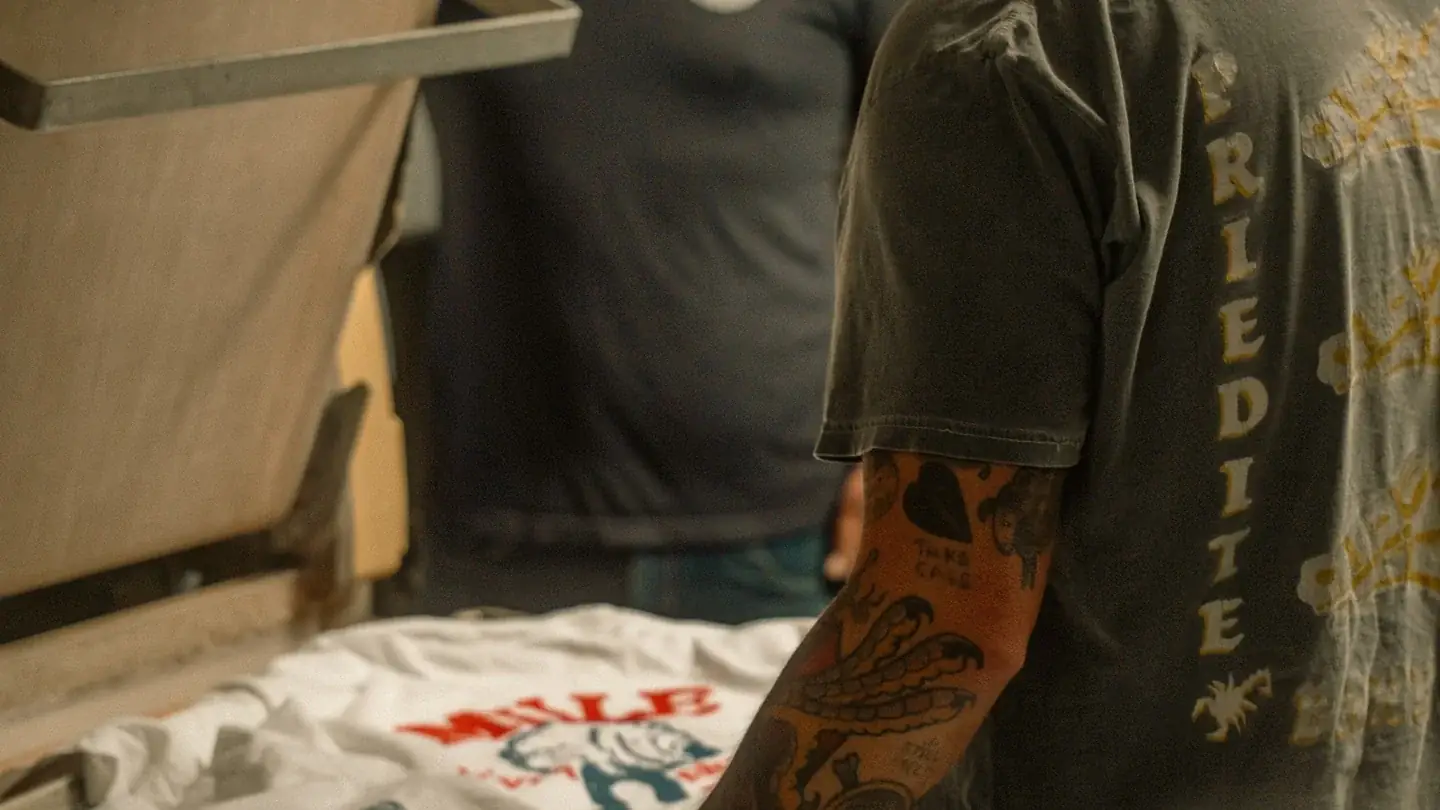
When ordering custom t-shirts, hoodies, or corporate merchandise in the UK, selecting the right printing method is essential to achieving vibrant colors, soft hand-feel, and long-lasting durability.
At Custom Print Works, we utilize state-of-the-art production technologies—including Direct-to-Garment (DTG), Direct-to-Film (DTF), and traditional Screen Printing—to ensure your designs look exceptional on every fabric type.
1. Direct-to-Garment (DTG) Printing
How It Works
DTG printing functions much like an industrial inkjet printer, spraying specialized water-based textile inks directly into the cotton fibers of the garment.
Best For
Key Advantages
2. Direct-to-Film (DTF) Printing
How It Works
DTF printing involves printing your artwork onto a clear polyethylene transfer film, applying a microscopic hot-melt adhesive powder, curing it under heat, and pressing it onto the garment.
Best For
Key Advantages
3. Screen Printing (Traditional Bulk)
How It Works
Screen printing uses stencil screens to push thick plastisol or water-based ink through mesh layers onto garments. Each color requires a dedicated screen stencil.
Best For
Summary Comparison Table
| Feature | DTG Printing | DTF Printing | Screen Printing |
|---|---|---|---|
| Ideal Order Size | 1 – 50 units | 1 – 100 units | 50+ units |
| Best Fabric Match | 100% Cotton | All Fabrics & Blends | Cotton & Heavy Poly |
| Color Detail | Photographic / Gradients | Solid / Crisp Vector | Solid Pantone Colors |
| Print Hand-Feel | Ultra-Soft / In-Fiber | Smooth / Flexible | Textured / Weighted |
| Turnaround | Rapid (24h pre-flight) | Rapid (24h pre-flight) | Bulk Scheduled |
Choosing the Right Method for Your Order
Whether you need a single custom sample or a 500-unit corporate event order, our studio pre-flights every artwork file to automatically select the optimal print technology for your selected garment.
Ready to start customizing? Explore our Oversized Heavyweight T-Shirt or browse our complete Apparel Catalog.
Oversized Heavyweight T-Shirt
Customise this item online with interactive print zone previews and zero minimum order limits.
Have a custom apparel question?
Our studio pre-flights every order request within 24 hours.